
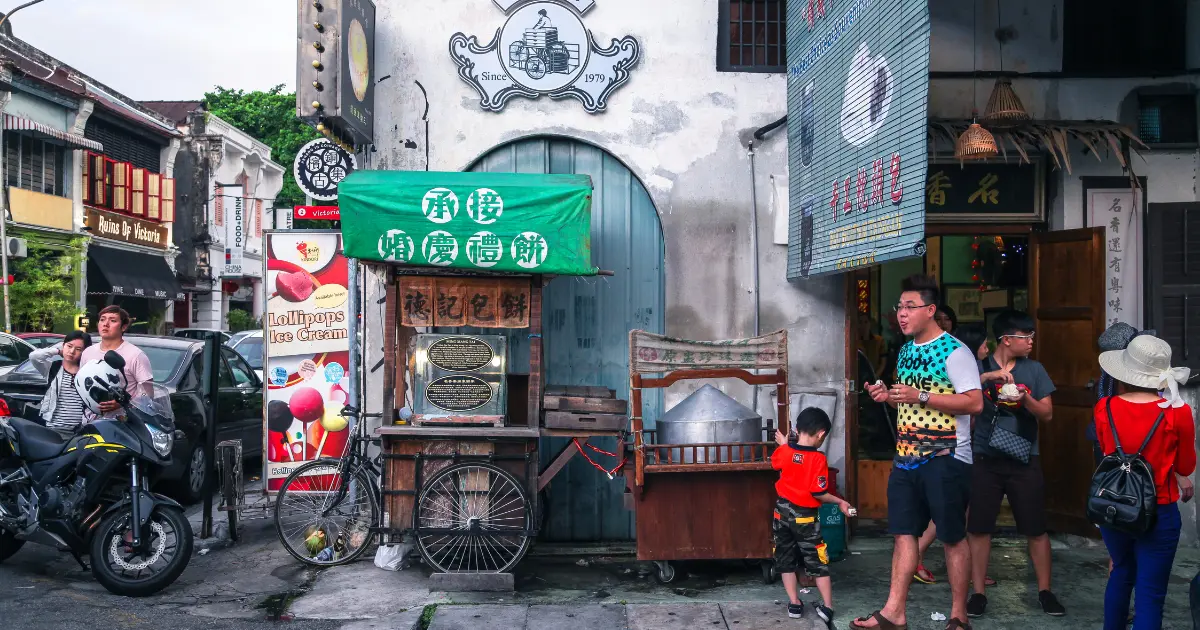
Malaysia is a country where cultures and traditions come together to form a unique national identity. As one of Southeast Asia’s most diverse nations, sharing border with Thailand and parts of Borneo, Malaysia celebrates a blend of Malay, Chinese, Indian, and Indigenous influences.
This rich cultural mix is reflected in the country’s food, festivals, music, and daily practices. For students visiting or planning a short-term stay, knowing the customs and traditions in Malaysia is not just about avoiding awkward moments, it’s meaningful way to connect with locals and gain an appreciation of the culture.
This article provides a simple guide to help students prepare for a respectful and enriching cultural experience in Malaysia.
Popular Customs & Traditions in Malaysia

When You’re Greeting and Communicating with Someone
- Begin greetings with “Salam” or “Assalamualaikum” (peace be upon you), especially with Muslim locals.
- Men usually shake hands, but when greeting Muslim women, simply smile and bow slightly instead of offering a handshake.
- Use honorifics like “Encik” (Sir), “Puan” (Madam), and “Dato” (a title of honor) for formal situations or when addressing elders.
- Even strangers are often called “Uncle” or Auntie” as a sign of friendliness and respect.
- Avoid touching someone’s head as it is considered impolite.
- Do not use your index finger to point. It is better to point using an open palm, using the right hand.
- Do not touch other people with your feet. The feet are considered dirty and inferior.
- Do not use the left hand. The left hand is seen as unclean.
- Never touch other with your feet, and avoid placing them on furniture.
- Do not be late for important events. Punctuality is considered the most important thing in communication culture in Malaysia.
When You’re Eating and Dining
- Many Malaysians eat with their hands. Always use your right hand when doing so. Make sure you wash and clean them before eating, especially in traditional or rural settings. But people in the city often seen using their right hand to eat too.
- Meals often feature rice as staple, served on plates or banana leaves during special occasions.
- During shared meal, wait for the elders or host to begin eating first.
- When dining with Muslims, avoid bringing or consuming pork or alcohol, which are forbidden in Islam.
Dressing and Fashion
- Men traditionally wear Baju Melayu, a loose fitting shirt with trousers and a songkok (cap).
- Women often wear Baju Kurung, a tunic with a long skirt, along with a seledang (scarf) to cover the head during prayers.
- When visiting mosques, temples, or other religious sites, avoid wearing sleeveless tops, shorts, or revealing clothing. Opt for long pants or covered shoulders.
When You’re in Public Space
- Do not raise your voice, argue loudly, or behave in a way that disturbs others.
- Public displays of affection (kissing, hugging) should be kept minimal or avoided altogether.
- Smoking near elders is considered disrespectful, and many public areas have designated smoking zones.
- Refrain from swearing or using aggressive language, especially in public.
These are some of the customs and traditions you will find while visiting Malaysia. Students who show curiosity, humility, and consideration will gain more than just knowledge, but opportunities of friendships and cultural insights.
At Dimulti Educational Immersion Program, out short-term immersion includes cultural exchange activities where Indonesian and Malaysian students connect and learn from each other. We visit important cultural sites and instill mutual understanding through real experiences.







Leave a Comment